STATE BANK OF INDIA IFSC CODE
Locate any details of Bank branch in India.
IFSC Code - Select Your State
- IFSC Code Andaman & Nicobar Islands
- IFSC Code Andhra Pradesh
- IFSC Code Assam
- IFSC Code Bihar
- IFSC Code Chandigarh
- IFSC Code Chhattisgarh
- IFSC Code Daman & Diu
- IFSC Code Delhi
- IFSC Code Goa
- IFSC Code Gujarat
- IFSC Code Haryana
- IFSC Code Himachal Pradesh
- IFSC Code Jammu & Kashmir
- IFSC Code Jharkhand
- IFSC Code Karnataka
- IFSC Code Kerala
- IFSC Code Lakshadweep
- IFSC Code Madhya Pradesh
- IFSC Code Maharashtra
- IFSC Code Manipur
- IFSC Code Meghalaya
- IFSC Code Mizoram
- IFSC Code Nagaland
- IFSC Code Orissa
- IFSC Code Pondicherry
- IFSC Code Punjab
- IFSC Code Rajasthan
- IFSC Code Tamil Nadu
- IFSC Code Telangana
- IFSC Code Tripura
- IFSC Code Uttaranchal
- IFSC Code Uttar Pradesh
- IFSC Code West Bengal
Enter IFSC Code to know Bank details Verify IFSC
Please enter correct Ifsc Code
IFSC Code - Select Your Bank
- Axis Bank
- Bandhan Bank
- Bank of America
- Bank of Baroda
- Canara Bank
- Central Bank of India
- CITI Bank
- DBS
- Doha Bank
- Emirates NBD
- Equitas Small Finance Bank
- Federal Bank
- HDFC Bank
- HSBC
- ICICI Bank
- IDBI Bank
- IDFC FIRST Bank
- Indian Overseas Bank
- IndusInd Bank
- Jana Small Finance Bank Ltd
- Kotak Bank
- Mashreq
- Punjab National Bank
- RBL Bank
- South Indian Bank
- State Bank of India
- UCO Bank
- Union Bank of India
- YES Bank
IFSC code, or Indian Financial System Code, is an 11-digit alphanumeric code given by the Reserve Bank of India to every bank branch to distinguish them. This makes the transactional process error-free and more accessible as each bank branch has its own unique identity. The IFSC code plays a vital role when making an electronic payment such as IMPS, NEFT or RTGS. Before doing a transaction, it is essential to check if the IFSC code is correct.
The SBI IFSC code comprises 11-digits; the first four letters ‘SBIN’ stands for the bank’s name, i.e. State Bank of India. The next character, ‘0’, is for future reference, while the remaining six letters represent the specific branch code of the bank.
SBI IFSC Code Structure
The 11-digit alphanumeric code can be divided into three parts. SBI IFSC code has the following structure:
- The first four letters of the IFSC code determine the bank name
- The fifth digit is a ‘0.’
- The last six characters of the IFSC code determine the branch of the bank making the transaction.
For instance, the IFSC code of the State Bank of India branch in Huda Market, Sector 31, Gurgaon, is SBIN0032633. Here, ‘SBIN’ denotes the State Bank of India, and ‘032633’ denotes the branch code, Huda Market, Sector 31, Gurgaon.
State Bank of India Branch Code
A bank has various branches, with each branch being assigned a distinct code. These codes are known as branch codes and help identify the branch making the transaction. The branch code can be found in the IFSC code; it is the last six digits. The State Bank of India branch code from the above example is ‘032633’. The branch code can also be found on SBI’s official website.
MICR Code of State Bank of India
The Magnetic Ink Character Recognition Code or the MICR code is a special 9-character alphanumeric code. An MICR code helps identify the bank and the branch in the Electronic Clearing Services Scheme or the ECS Scheme. This code becomes mandatory when making a transaction via cheque. It can be found at the bottom of the cheque, next to the cheque number. A MICR code can be divided as follows:
- The first three digits are the city code aligned with the pincode of the city
- The next three digits represent the bank code
- The last three digits are the branch code
For example: In the MICR code – 110002383, ‘110’ is the pincode of Gurgaon, ‘002’ is the bank code of State Bank of India and ‘383’ is the branch code of Sector 4.
State Bank of India Bank Code
Bank code refers to the unique code given to a bank to uniquely identify itself throughout the nation. The State Bank of India has a bank code of ‘002’ as given by the Reserve Bank of India. Bank code is the fourth, fifth and sixth character of the MICR code.
SWIFT Code of State Bank of India
A Society For Worldwide Interbank Financial Telecommunication SWIFT Code is a unique code that identifies a bank during international transactions. It contains 8-11 characters identifying the bank name, branch, country and city. State Bank of India uses different SWIFT codes for different branches. The SWIFT code for SBI- SBININBB157 can be explained as:
- ‘SBIN’ states the bank name, State Bank of India.
- ‘IN’ states the country code, India.
- ‘BB’ states the location code.
- ‘157’ is the branch code, Lucknow main office.
FAQs
Where can I find my SBI IFSC code?
IFSC code of the State Bank of India can be found on its official website, on the passbook’s front page, or the top-most part of the cheque. Bank statements also show the IFSC code.
Is the IFSC code the same for all State Bank of India banks?
No, the IFSC code is a unique code given to every bank branch, so the code cannot be the same for all the State Bank of India branches.
What are the IMPS charges by the State Bank of India bank?
There are no charges incurred on the IMPS amount of INR 1,000. As for the amount between INR 1,000 – 10,000, INR 2 plus GST will be charged, on amounts of INR 10,000 – 1 Lakh, INR 4 plus GST has to be paid, and as for transactions between INR 2 Lakh – 5 Lakh, a charge of INR 20 plus GST will incur.
What is the bank code of the State Bank of India?
The bank code of the State Bank of India is ‘002’, which is a unique code.
How can I know the branch name of the State Bank of India?
The branch name can be found through the State Bank of India IFSC code, or it can be looked up on its official website.
Quick Links
EMI Calculator
Eligibility Calculator
Top 10 Banks
Investment Options
Gold & Silver Rate
Home Loan By Other Banks
- Axis Bank Home Loan
- Bank of Baroda Home Loan
- HDFC Bank Home Loan
- ICICI Bank Home Loan
- Bajaj Finserv Home Loan
- IndiaBulls Home Loan
- Canara Bank Home Loan
- CITI Bank Home Loan
- Union Bank of India Home Loan
- DHFL Home Loan
- YES Bank Home Loan
- Federal Bank Home Loan
- IndusInd Bank Home Loan
- State Bank of India Home Loan
- IDFC FIRST Bank Home Loan
- Punjab National Bank Home Loan
- Hero FinCorp Home Loan
- IDBI Bank Home Loan
- Kotak Bank Home Loan
- Piramal Finance Home Loan
- Tata Capital Housing Finance Limited Home Loan
- HDFC Sales Home Loan
- Aadhar housing Finance Home Loan
- IIFL Finance Home Loan
- Clix Capital Home Loan
- Aditya Birla Finance Limited Home Loan
- Capital First Ltd. Home Loan
- Home First Finance Company Home Loan
- Capri Global Home Loan
- Reliance Capital Home Loan
- L&T Finance Home Loan
- SMFG India Credit Company Ltd Home Loan
- Indian bank Home Loan
- Bank of India Home Loan
- Edelweiss Financial Services Home Loan
- Bank of Maharashtra Home Loan
- Hero Housing Finance Home Loan
- Poonawalla Fincorp Limited Home Loan
- karnataka bank Home Loan
- DCB Bank Home Loan
- LIC Housing Finance Home Loan
- Punjab & Sind Bank Home Loan
- Punjab National Bank Housing Finance Home Loan
- Muthoot Finance Ltd Home Loan
- Ujjivan Small Finance Bank Home Loan
- karur Vysya Bank Home Loan
- Cholamandalam Finance Home Loan
- RBL Bank Home Loan
- Godrej Housing Finance Home Loan
- HSBC Home Loan
- Housing Development Finance Corporation Home Loan
- Vastu Housing Finance Home Loan
- Aavas Financiers Home Loan
- ART Affordable Housing Finance Limited Home Loan
- Aditya Birla Housing Finance Limited Home Loan

Personal Loan By Other Banks
- Axis Bank Personal Loan
- Bank of Baroda Personal Loan
- HDFC Bank Personal Loan
- ICICI Bank Personal Loan
- Bajaj Finserv Personal Loan
- IndiaBulls Personal Loan
- Canara Bank Personal Loan
- CITI Bank Personal Loan
- Union Bank of India Personal Loan
- DHFL Personal Loan
- YES Bank Personal Loan
- Federal Bank Personal Loan
- IndusInd Bank Personal Loan
- State Bank of India Personal Loan
- IDFC FIRST Bank Personal Loan
- Punjab National Bank Personal Loan
- Hero FinCorp Personal Loan
- IDBI Bank Personal Loan
- Kotak Bank Personal Loan
- Piramal Finance Personal Loan
- Tata Capital Housing Finance Limited Personal Loan
- HDFC Sales Personal Loan
- IIFL Finance Personal Loan
- Clix Capital Personal Loan
- Aditya Birla Finance Limited Personal Loan
- Capital First Ltd. Personal Loan
- Shriram Urban Co Operative Bank Limited Personal Loan
- Reliance Capital Personal Loan
- L&T Finance Personal Loan
- SMFG India Credit Company Ltd Personal Loan
- PaySense Personal Loan
- InCred Financial Services Personal Loan
- Indian bank Personal Loan
- Bank of India Personal Loan
- Edelweiss Financial Services Personal Loan
- Bank of Maharashtra Personal Loan
- Poonawalla Fincorp Limited Personal Loan
- karnataka bank Personal Loan
- DCB Bank Personal Loan
- Punjab & Sind Bank Personal Loan
- FT Cash Personal Loan
- Muthoot Finance Ltd Personal Loan
- Ujjivan Small Finance Bank Personal Loan
- AU Small Finance Bank Personal Loan
- karur Vysya Bank Personal Loan
- RBL Bank Personal Loan
- Tata Capital Financial Services LTD Personal Loan
- HSBC Personal Loan
- MoneyWide Personal Loan
- Privo Personal Loan
- Prefr Personal Loan
- Bhanix Finance Personal Loan
- Loantap Credit Products Private Limited Personal Loan
- Zype Personal Loan
- EpiFi Personal Loan
- Unity Small Finance Bank Personal Loan
- FatakPay Personal Loan
Latest from the Blog
Get in-depth knowledge about all things related to and your finances
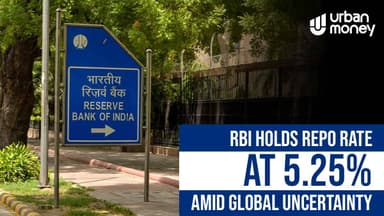
Repo Rate Unchanged at 5.25%: RBI Signals Stability in Loan and Deposit Rates
The RBI has kept the repo rate unchanged at 5.25% in its latest policy review. This indicates stability in loan EMIs and deposit rates, as inflation risks and global uncertainty remain in focus.
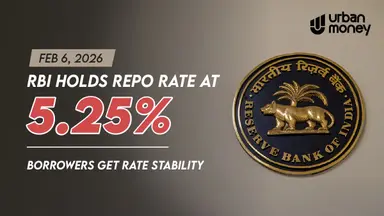
RBI Repo Rate Unchanged at 5.25%: Impact on Loans, EMIs and Borrowers
The Reserve Bank of India on Friday 6, 2026 held the RBI repo rate at 5.25%, opting for policy continuity amid steady domestic growth. February 6, 2026: The Reserve Bank of India has decided to l
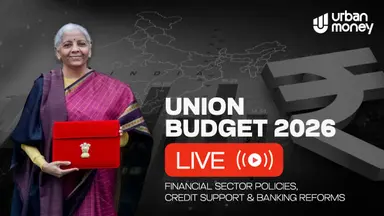
Union Budget 2026 Live : Taxation, Credit Policy And Financial Sector Announcements
Union Budget 2026-2027 was presented on February 1, 2026, in the Lok Sabha. This year, Finance Minister Nirmala Sitharaman has outlined the government’s financial roadmap for the year ahead under th